
How to Add New Items to the Menu – Here’s How to Do It Right
Why menu placement is crucial
When introducing a new product, it’s easy to focus on the product itself—its taste, quality, and price. But in practice, it’s often its placement on the menu that determines whether it actually sells.
Customers make quick decisions. They choose what is visible, easy to understand, and straightforward to evaluate. If a product is placed in a way that requires the customer to search for it or spend time figuring out what it is, many will choose something else instead.
This applies in particular to products such as açaí and gelato, or new concepts that not all customers are familiar with.
Make the product easy to understand
One of the most important factors for the success of new products is that customers quickly understand what they are getting.
If a product seems unclear or difficult to conceptualize, it will create friction in the purchasing process. This is especially true for products like açaí, which may still be unfamiliar to some people.
Therefore, the product should be presented in a way that makes it easy to understand. This can be achieved through its name, description, or how it is positioned alongside other familiar items on the menu.
You can also read more about what an açaí bowl is and how it’s used in practice.
Visibility drives sales
Products that aren't visible are rarely chosen. This means that their placement in the menu should be carefully considered.
A new product shouldn't be "hidden away," but placed where customers will naturally see it. This could be at the top of a category, in a separate section, or as part of a recommended selection.
The point is to make the product part of the decision-making process—not something the customer has to go out of their way to find.
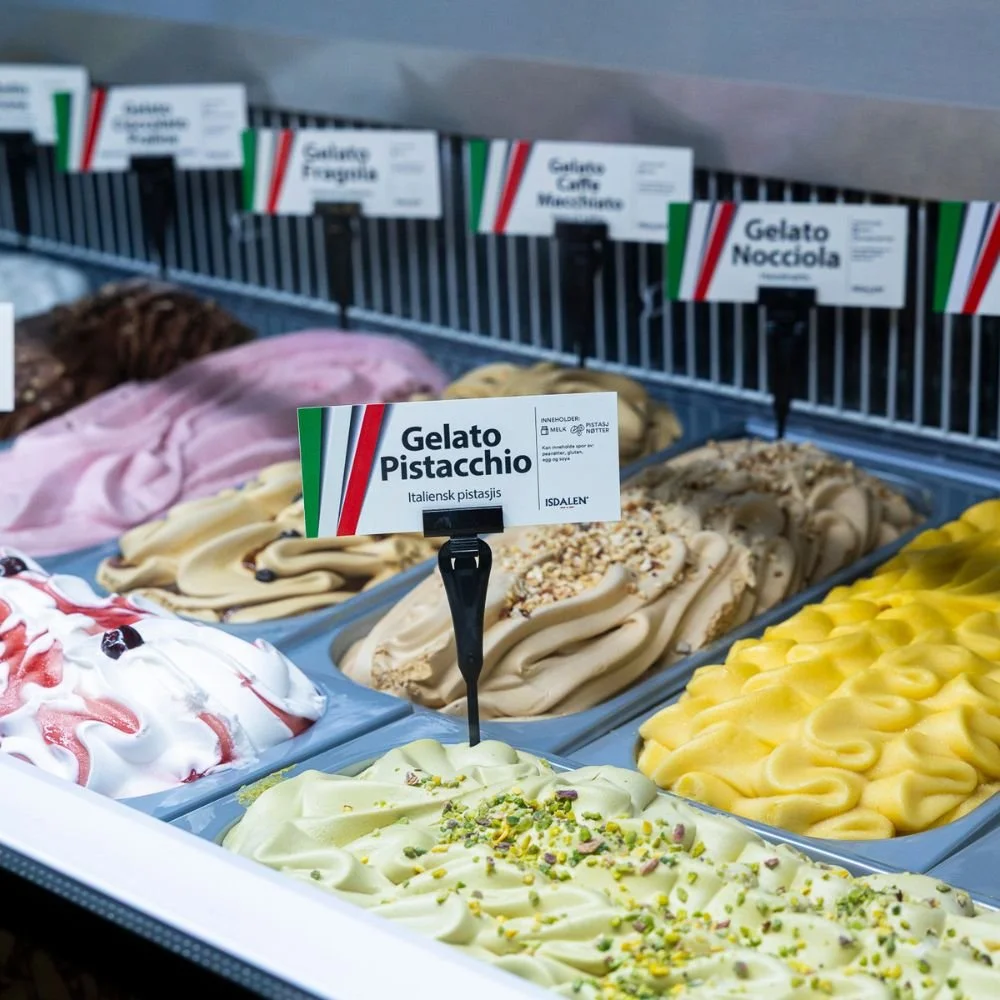

Link the product to what the customer is already familiar with
An effective way to boost sales is to link new products to those the customer is already familiar with.
When açaí is paired with smoothies, coffee, or dessert, it becomes easier to understand what it is and when it’s a good choice. It doesn’t feel like a completely new option, but rather a natural extension of something the customer is already considering.
This lowers the barrier to trying the product and makes it more suitable for a wider range of situations.
You can also read more about how açaí can help boost sales.
Small adjustments can have a big impact
It rarely takes major changes to boost sales. Often, all it takes are small adjustments to how the product is presented.
A more prominent placement, a simpler description, or a better link to other products could lead more customers to choose it.
This makes the menu more intuitive and reduces uncertainty at the point of purchase.
Think big picture—not individual products
A menu works best when it feels cohesive. The dishes should not stand alone, but complement one another.
When new products are seamlessly integrated into the menu, they become part of the customer’s natural decision-making process. This enhances the customer experience and increases the likelihood of upselling.
Do you need help?
It can be difficult to know how to arrange products in practice, especially when you want to strike a balance between visibility, sales, and flexibility.
Please feel free to contact us if you need help with menu structure, placement, or how to get the most out of your products.
FAQ – Placing Products in the Menu
Why is menu placement important?
Placement determines what the customer sees first. Products that are visible and easy to understand are chosen more often.
Where should new products be placed?
New products should be placed where customers will naturally see them, such as at the top of a category or in a separate section.
How can I make a new product easier to sell?
By making it easy to understand and linking it to products the customer is already familiar with, you reduce uncertainty and increase the likelihood of a purchase.
What are the most common defects in new products?
The most common mistake is that the product isn't visible enough or is hard to understand, which causes the customer to choose something else.