
Sell desserts even in the winter
The off-season is a habit, not a rule
Many restaurants scale back on desserts as soon as summer is over, because they assume that demand disappears along with the heat. But much of that decline is self-inflicted: when the offerings disappear, so do the sales. Guests don’t stop wanting to treat themselves to something delicious when the weather turns cold—they just need you to keep offering it and to present it in a way that suits the season.
Some items in the product line sell regardless of the season
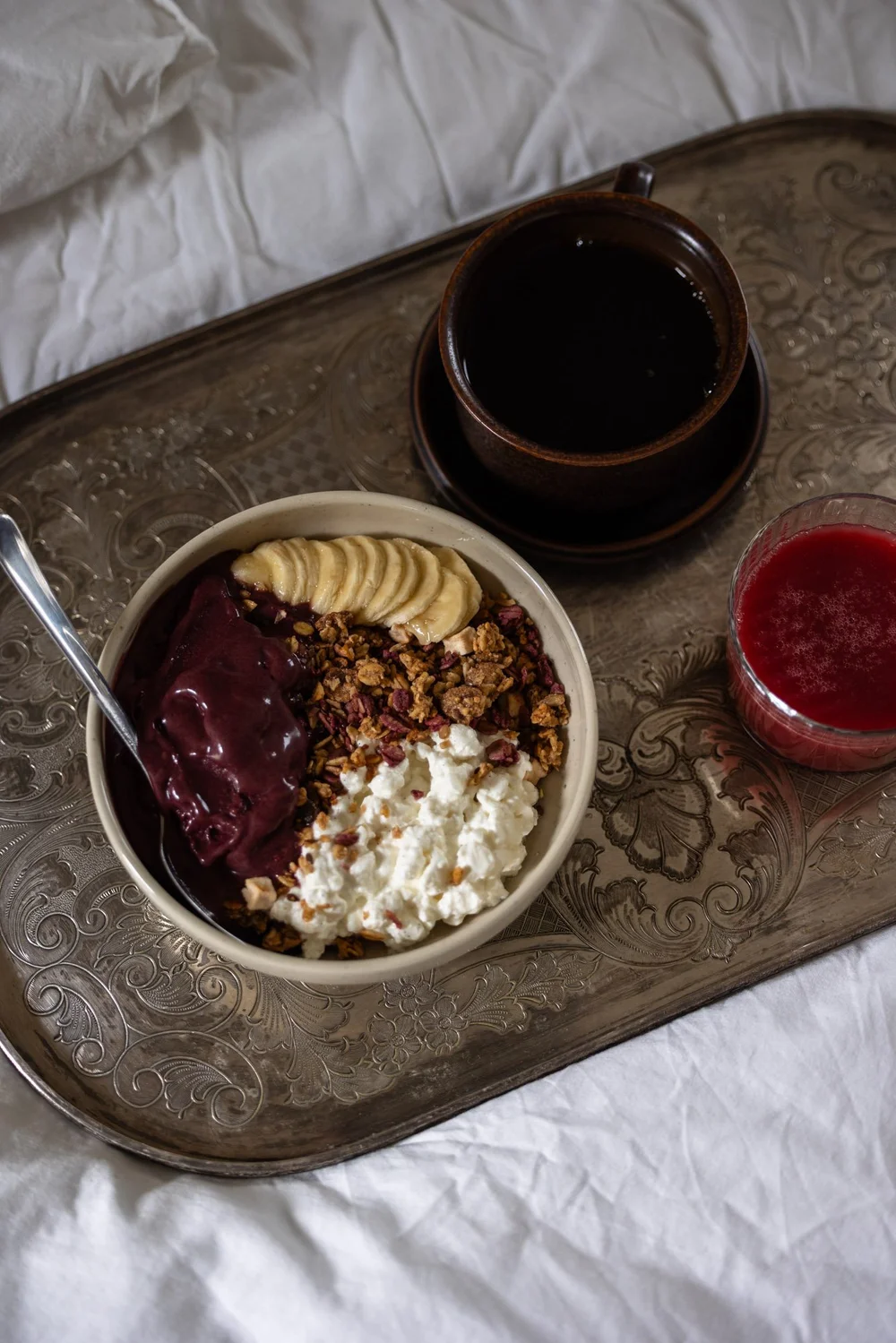
Some products are less weather-dependent than you might think. Açaí served as a bowl, smoothie, or dessert works just as well during the winter months, and many places see steady demand for it all year round. We’ve written more about this in “Açaí All Year Round—Not Just a Seasonal Product.” The same goes for gelato, which is just as much a cozy indoor dessert as it is a refreshing treat outdoors.
Shift the focus from cooling off to relaxation
In the summer, dessert sells itself as something refreshing. In the winter, you have to change the narrative. Then it’s all about coziness—a little treat, something warm and comforting around you as you indulge in something sweet. The same soft-serve ice cream sells differently depending on how you frame it, and in the winter, it’s about coziness rather than cooling off.
Seasonal flavors perfect for winter
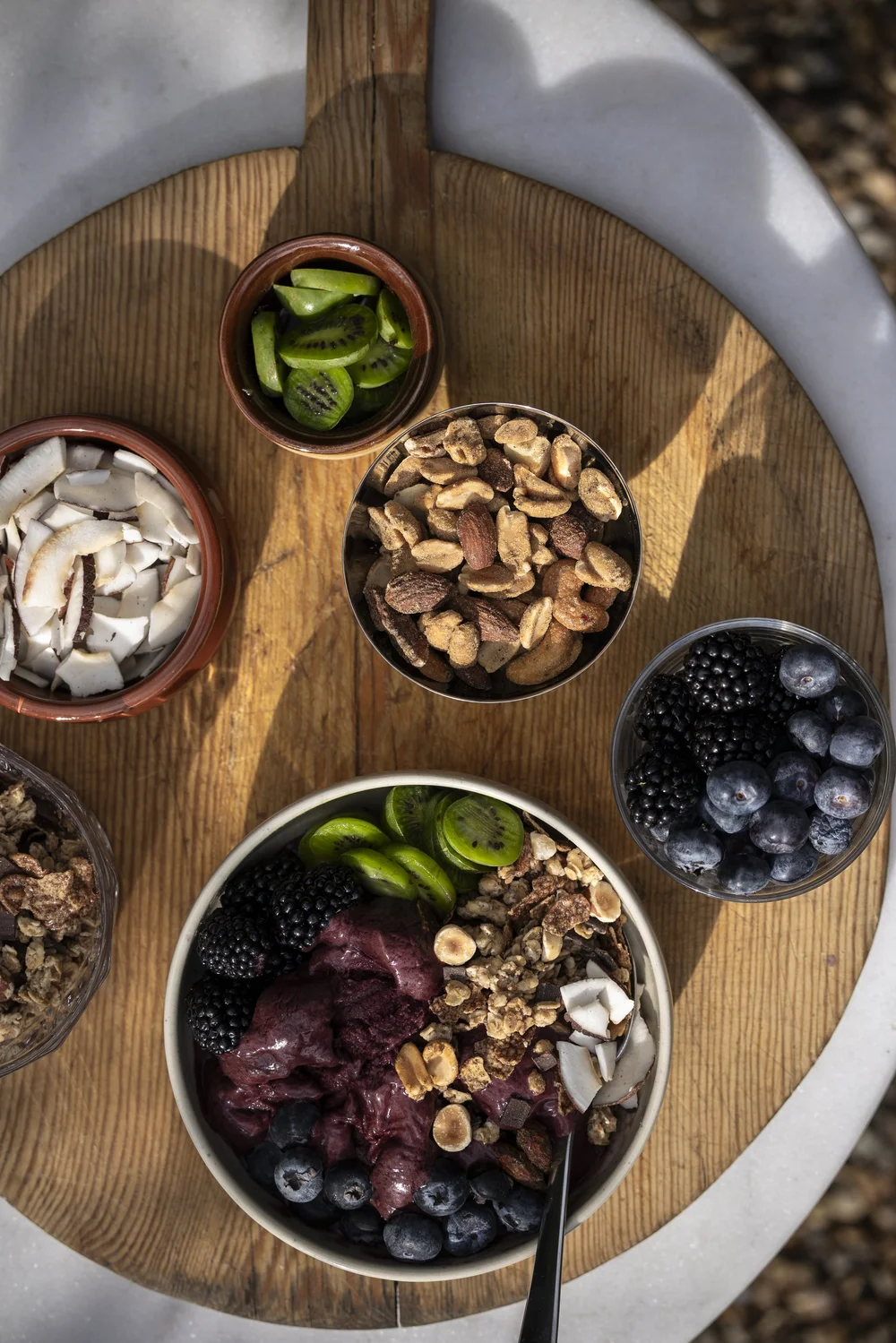
Flavors reflect the season. Just as summer calls for berries and citrus, winter features warmer notes like caramel, chocolate, spices, and nuts. A limited-time winter flavor gives you a reason to stop by now and shows that the place is alive all year round, not just in July.
Warm Companions and New Formats
Dessert doesn't have to stand alone in the winter. Served with a hot drink, a freshly baked waffle, or something warm on the side, a cold dessert suddenly becomes a little experience in itself. It boosts average sales and makes the offering feel more natural in cold weather.
Keep the machine running, but keep costs under control
The temptation during the off-season is to turn off the machine to save money. Sometimes that’s the right move, but often it costs you more in lost sales than you save. The key is to know what it actually costs to run the machine, so you can make decisions based on numbers rather than gut feelings. We’ll take a closer look at that in “How Much Does It Cost to Run a Soft-Serve Machine?”
Market in the off-season
Winter is actually a good time to get noticed, because fewer competitors are making a big splash. A post about today’s winter flavor, a special offer for regulars, or a simple reminder that you’re open and serving dessert will keep your place fresh in people’s minds until spring arrives. If you want to stay on top of what’s trending, check out Dessert and Ice Cream Trends in Foodservice 2026.
Do you need help?
Would you like to find out how to keep dessert sales up throughout the winter at your establishment?
Please feel free to contact us, and we'll look into it together.
FAQ – Dessert Sales in the Winter
Do you sell any desserts at all in the winter?
Yes. Much of the decline during the off-season is due to a drop in supply, not a drop in demand. With the right approach and a seasonally adapted menu, sales remain strong.
Should I turn off the machine during the off-season?
Not automatically. Sometimes it pays off, but often the lost sales cost more than what you save. Know your operating costs, and then make your decision based on numbers rather than gut feeling.
What flavors go well with winter?
Warmer flavors like caramel, chocolate, spices, and nuts are more in keeping with the season than summer berries and citrus. A limited-time winter flavor gives you a good reason to stop by now.
How do I market desserts during the off-season?
Simple and consistent. Whether it’s today’s winter special, an offer for regulars, or a reminder that you serve dessert, it keeps your place in the spotlight even as fewer competitors are making a big splash.